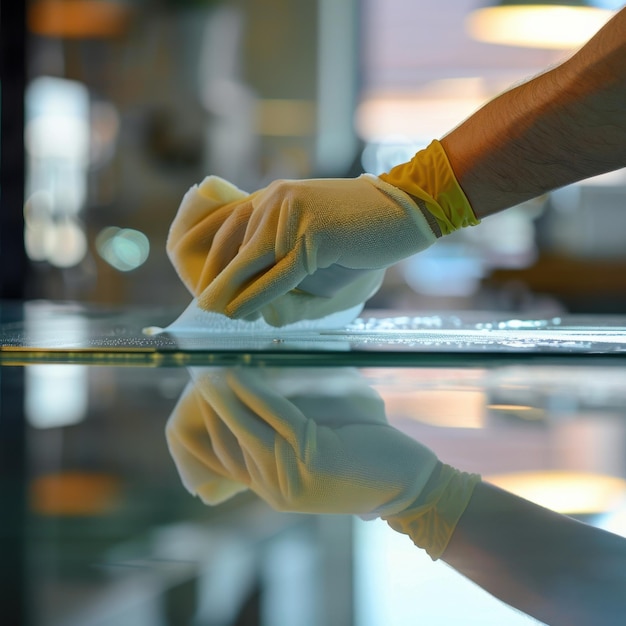
The Precision Detail System
Documented protocols and systematic verification ensure comprehensive cleaning results that traditional approaches struggle to deliver consistently.
Back to Home
Documented protocols and systematic verification ensure comprehensive cleaning results that traditional approaches struggle to deliver consistently.
Back to HomeOur methodology developed from observing which practices consistently produced thorough results across diverse cleaning challenges. Rather than relying on intuition or rushed methods, we document what works and build systematic processes around proven techniques.
Years of field experience have shown that comprehensive results require structured approaches. Random or rushed cleaning misses details that accumulated protocols help address reliably.
Three foundational beliefs guide our service delivery. First, thoroughness requires systematic attention to all areas, not just visible ones. Second, proper technique matters as much as effort—incorrect methods can damage surfaces even with good intentions. Third, verification prevents oversights that undermine otherwise solid work.
These principles inform every protocol we develop and every quality check we implement. They represent lessons learned from thousands of cleaning sessions addressing real-world challenges.
Traditional cleaning services often operate without documented standards, leading to inconsistent results. Team members apply personal interpretations of "clean" without unified benchmarks. This variability frustrates clients who want predictable outcomes.
We developed systematic protocols to eliminate this inconsistency. By documenting exactly what constitutes complete service and verifying adherence to these standards, we provide the reliability that traditional approaches lack.
Transparency guides our operations—clients deserve to know what was done during service. Accountability means taking responsibility for delivering documented standards. Continuous improvement acknowledges that processes can always be refined based on new learning.
These values aren't abstract concepts but practical drivers of how we structure service delivery and maintain quality standards.
Our systematic framework breaks down comprehensive cleaning into manageable phases, each building on previous work to ensure nothing gets overlooked.
Initial evaluation identifies surface types, existing conditions, and specific challenges. This phase documents space characteristics that inform customized protocol application.
Teams follow room-by-room checklists ensuring comprehensive coverage. Documented protocols specify appropriate products and techniques for different surfaces.
Pre-completion inspection confirms all checklist items were addressed. This verification phase catches potential oversights before service concludes.
Post-service records document completed work and note any special conditions observed. This creates service history for quality tracking and future reference.
The sequential nature of our methodology ensures logical progression from planning through execution to verification. Assessment informs protocol selection. Execution follows documented procedures. Verification confirms standards were met. Documentation creates accountability and informs future service.
This integrated approach differs from traditional services that may skip assessment or verification phases, leading to the inconsistency that frustrates clients.
Our protocols align with professional cleaning standards developed through industry experience. These practices reflect accumulated knowledge about effective techniques, appropriate product selection, and surface-specific care requirements.
We stay current with developing methodologies through ongoing education and professional resources that inform protocol updates.
Different surfaces require different approaches based on their physical and chemical properties. Natural stone needs pH-neutral products. Sealed wood requires moisture control. Glass benefits from specific application techniques. Grout demands mechanical action combined with appropriate chemistry.
Understanding these material-specific requirements prevents damage and ensures effective cleaning. Our teams train on recognizing surface types and applying appropriate techniques.
Our quality system includes multiple verification points throughout service delivery. Pre-work assessment, mid-service monitoring, and pre-completion inspection create a verification structure that maintains standards.
Documentation at each stage provides transparency and accountability. This systematic approach to quality differs from traditional services that rely solely on worker judgment without verification processes.
Proper product selection and application techniques protect both surfaces and people. We follow safety protocols for product handling and ensure adequate ventilation during service. Surface preservation means avoiding harsh chemicals or abrasive methods that create long-term damage.
These considerations inform our documented protocols and team training programs.
Services operate without documented protocols, leading to team member interpretation of "clean" varying significantly.
Time pressure prioritizes speed over thoroughness, resulting in overlooked areas and incomplete coverage.
Work considered complete without quality checks, allowing oversights to go unnoticed until client discovery.
Teams lack systematic education on proper techniques, product selection, and surface-specific care requirements.
Written protocols define exactly what constitutes complete service, eliminating interpretation variability.
Realistic scheduling allows thorough work without rushing, ensuring all checklist items receive proper attention.
Pre-completion inspection catches oversights before service concludes, maintaining consistent quality standards.
Ongoing education ensures teams understand proper techniques and can apply them consistently across situations.
We recognize that traditional services often operate with good intentions but lack the systematic structure needed for consistent results. Our methodology addresses the structural causes of inconsistency rather than relying on individual effort alone.
While many services claim thoroughness, we document exactly what that means through detailed protocols. This removes ambiguity about service scope and creates verifiable standards.
Documentation serves multiple purposes: training reference for team members, verification checklist during service, accountability record for clients, and quality improvement data for protocol refinement.
Quality checks aren't afterthoughts but integral parts of our service process. Multiple verification points throughout delivery maintain standards from start to finish.
This systematic approach to quality differs from traditional services that may rely on client complaints as their primary quality signal—by which point the opportunity to address issues during service has passed.
Our protocols aren't static documents but living frameworks that evolve based on experience and feedback. Regular review of service data and client input identifies opportunities for enhancement.
This commitment to ongoing refinement means our methodology improves over time rather than stagnating with outdated approaches.
Digital documentation provides clients with visibility into service completion. Post-service reports show what was addressed, offering transparency that builds confidence.
This use of technology serves practical purposes rather than being innovation for its own sake—it creates accountability and improves communication.
Each service generates completion data showing which protocol items were addressed. This creates objective records of what was done during each visit.
Tracking completion percentages over time identifies patterns and informs quality discussions with teams.
Post-service feedback provides direct input on whether results met expectations. We systematically collect and analyze this data to understand performance trends.
Satisfaction patterns inform protocol adjustments and training focus areas.
Tracking how often clients request return visits for missed items provides objective quality data. Lower follow-up rates indicate first-time completion effectiveness.
This metric helps evaluate whether verification processes effectively catch oversights.
Comparing performance across different teams and time periods reveals consistency levels. Systematic approaches should produce similar results regardless of which team provides service.
Consistency data validates protocol effectiveness and identifies training opportunities.
Success in our system means consistently meeting documented standards across all service elements. It means clients know what to expect and experience predictable results. It means teams can reliably deliver quality without requiring exceptional individual effort.
Individual results vary based on specific conditions, but systematic tracking helps identify patterns and maintain accountability to our quality commitments.
Professional cleaning requires more than good intentions and basic effort. The difference between adequate service and comprehensive results lies in methodology—the systematic framework that ensures nothing gets overlooked and standards remain consistent across situations.
Our approach developed from years of addressing the challenges that frustrate clients about traditional cleaning services. We recognized that variability in results stems from lack of documented standards. Teams working without clear protocols interpret "clean" differently, creating inconsistency that erodes confidence.
By documenting exactly what constitutes complete service and implementing verification processes to ensure adherence, we provide the reliability that traditional approaches struggle to maintain. This systematic structure doesn't replace skilled work but supports it with frameworks that guide thorough execution.
Quality verification throughout service delivery catches potential oversights before they become client discoveries. This proactive approach to quality differs fundamentally from reactive models that rely on complaints to signal problems. By the time a client notices an issue, the opportunity to address it during service has passed.
Our commitment to continuous improvement means protocols evolve based on real-world experience and client feedback. This living methodology adapts to new challenges while maintaining core principles of systematic thoroughness and verified quality. The result is cleaning service that clients can rely on for consistent, comprehensive results.
Discover how documented protocols and quality verification create the consistent results you've been looking for.
Start Conversation